
Ditching the Office After Lockdown: Alternatives to the Kitchen Table
The transition to working from home has become a significant and lasting change in the way many people work. As the pandemic unfolded, millions found themselves adapting to a new way of working – one that required a shift from the traditional office to makeshift workspaces at home. For many, the kitchen table became a symbol of this new reality, serving as a desk, conference room, and dining area all in one. Discover why Ditching the Office After Lockdown: Alternatives to the Kitchen Table.
In this article, we’ll explore the evolving landscape of remote work, discuss the challenges and benefits of working from home, and delve into alternative solutions to the ubiquitous kitchen table. Whether you’re a member of the Kavanagh Brothers team or someone looking to enhance their home office setup, we’ve got you covered.

Ditching the Office After Lockdown: Alternatives to the Kitchen Table
The Rise of Working from Home
A Permanent Shift in the Way We Work
Working from home was once seen as a luxury reserved for a select few. However, the COVID-19 pandemic accelerated a trend that had been gaining momentum for years. Remote work, once an occasional perk, has become a mainstream work arrangement. Companies worldwide have realised the potential benefits of remote work, not just for employees but also for their bottom line.
The Impact of Remote Work on the Daily Commute
One of the most significant advantages of remote work is the elimination of the daily commute. Long commutes have always been a source of stress and fatigue for many employees. With remote work, those precious hours spent in traffic or on crowded public transportation have been reclaimed.
The Need for a Dedicated Workspace
While remote work offers undeniable benefits, it also presents challenges. The biggest challenge for many is the need for a dedicated and effective home office space. The kitchen table may have sufficed during the initial transition to remote work, but it is not a sustainable solution for the long term.

The Importance of a Home Office
Creating Your Ideal WorkSpace
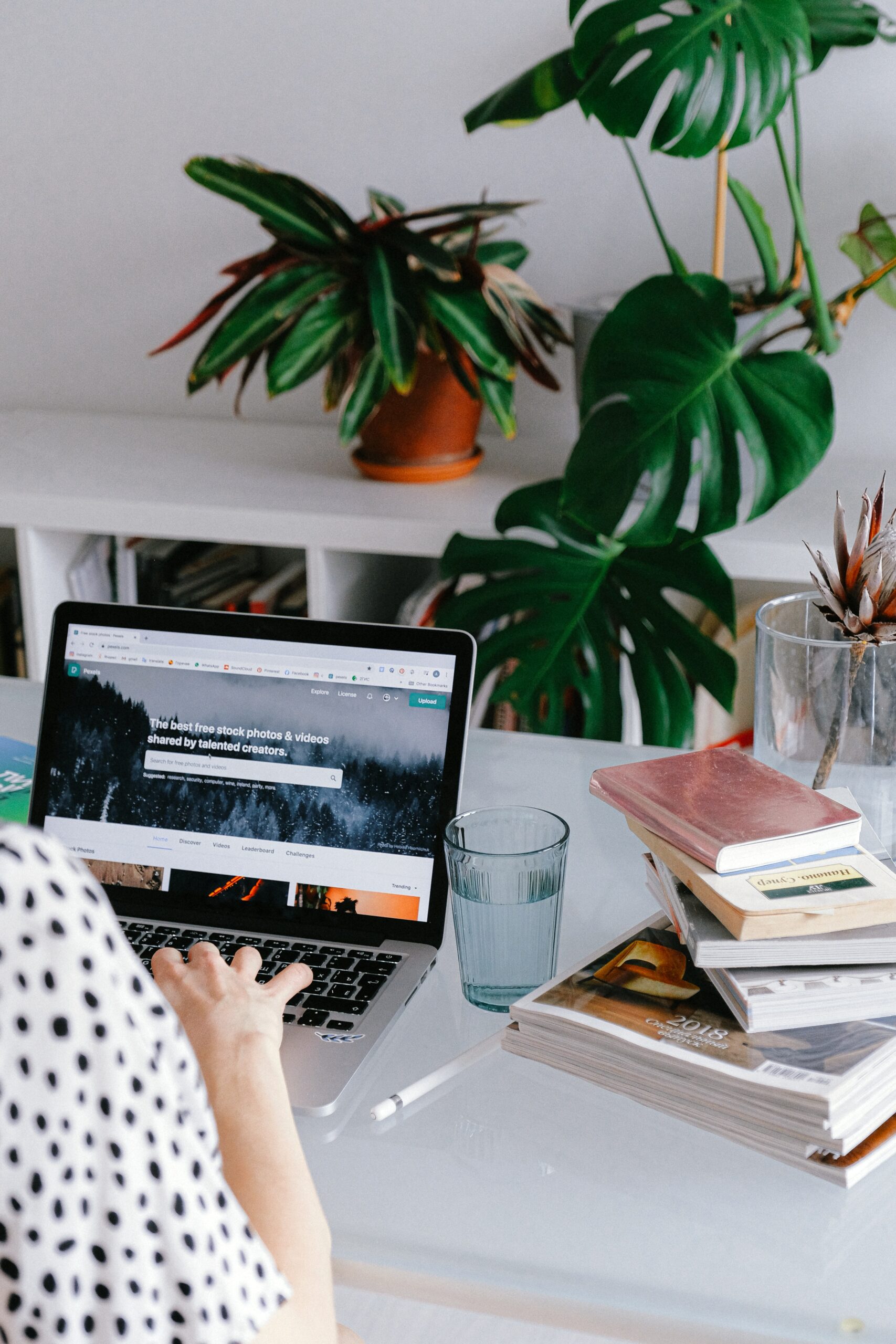
Your home office is more than just a place to work; it’s your professional sanctuary. It should be designed to enhance productivity and well-being. To achieve this, consider the following factors:
Ergonomics
Invest in an ergonomic chair and desk to maintain good posture and reduce the risk of physical strain during long hours of work.
Lighting
Ensure your workspace is well-lit with natural or adjustable lighting to reduce eye strain and create a comfortable ambience.
Personalisation
Add personal touches to your home office with decor that inspires you, whether it’s artwork, plants, or motivational quotes.
Privacy
Create a dedicated workspace that allows you to concentrate without interruptions from household members.
The Long-Term Benefits of a Home Office
A home office is an investment in your future, both personally and professionally. Beyond the current need for remote work, having a well-designed home office can offer benefits that extend beyond the pandemic:
Improved Work-Life Balance
A separate workspace helps establish boundaries between work and personal life, leading to a healthier work-life balance.
Increased Productivity
A well-organized and comfortable workspace can boost your productivity and creativity, helping you excel in your role.
Cost Savings
By reducing the need for commuting and dining out, a home office can lead to significant cost savings over time.
Alternative Work Spaces
Thinking Beyond the Kitchen Table
If the kitchen table is no longer serving your remote work needs, there are numerous alternatives to consider. Let’s explore some creative and effective solutions.
Transforming Spare Rooms
Guest Bedroom to Home Office
If you have a spare bedroom that’s rarely used, consider transforming it into a dedicated home office. You can maintain the room’s dual functionality by incorporating a fold-out sofa or a Murphy bed for occasional guests.
Attic or Basement Conversion
Unused attic or basement spaces can be renovated into functional home offices. These secluded spaces offer privacy and quiet, perfect for focused work.
Outdoor Workspaces
Garden Office
For those fortunate enough to have a garden or backyard, a garden office can be a wonderful solution. These standalone structures offer a tranquil work environment close to nature.
Patio or Balcony Office
Even if you don’t have a large outdoor space, a small patio or balcony can be transformed into a cosy outdoor office with the right furniture and decor.
Coworking Spaces
A Shared Workspace
For individuals who miss the social aspect of office life, coworking spaces provide a communal atmosphere while offering all the benefits of a dedicated work environment.
Flexibility in Location
Coworking spaces are often located in convenient areas, allowing you to choose a workspace close to home or opt for a change of scenery in different parts of the city.
Renting an Office Space
On-Demand Office Solutions
Consider renting an office space on a part-time or full-time basis. Many companies offer flexible office solutions, allowing you to access professional work environments as needed.
Shared Office Space
Shared office spaces come in various sizes and configurations, from private offices to open-plan workspaces. Choose the one that best suits your needs and budget.
Evaluating Your Options
Factors to Consider
Before making a decision on your ideal workspace, it’s essential to evaluate your options carefully. Here are some factors to keep in mind:
Budget
Determine how much you’re willing to invest in your home office or an alternative workspace.
Space Availability
Consider the available space in your home and whether it can be repurposed for work.
Location
Think about the proximity of your workspace to your home and the convenience it offers.
Lifestyle Preferences
Consider your lifestyle, including your need for privacy, social interaction, and outdoor access.
The Hybrid Work Model
The future of work may be somewhat remote or entirely office-based. Many companies are adopting a hybrid work model, where employees split their time between the office and remote work. This approach allows for flexibility while maintaining in-person collaboration.
Nurturing a Positive Working Environment
The Role of Company Culture
Creating a positive remote working environment is a shared responsibility between employers and employees. It involves fostering a company culture that prioritises communication, trust, and well-being.
Staying Connected
Regular Check-Ins
Employers should schedule regular check-ins with remote employees to discuss progress, challenges, and professional development.
Virtual Social Events
Organise virtual social events to maintain a sense of community and connectedness among team members.
Self-Care and Well-Being
Setting Boundaries
Employees must set boundaries to maintain a healthy work-life balance. Avoid overworking and allocate time for breaks and self-care.
Physical and Mental Health
Prioritise physical and mental well-being by engaging in regular exercise, maintaining a healthy diet and seeking support when needed.
Conclusion: Ditching the Office After Lockdown: Alternatives to the Kitchen Table
The era of working from home and reimagining traditional office spaces has arrived. Whether you’re a full-time remote worker, a member of the Kavanagh Brothers team, or someone exploring flexible work options, the key is to find a workspace that suits your needs and enhances your productivity and well-being.
Remember that your home office or alternative workspace is not just a physical location; it’s a place where you can thrive professionally while maintaining a healthy work-life balance. Embrace the possibilities, and make your work environment work for you.
As the world continues to adapt to changing work trends, the choice of where and how you work is more significant than ever. With careful consideration, the right space, and a commitment to your well-being, you can excel in your career while enjoying the benefits of remote work.